20,000 Robots Built: Just How Far Has China’s Rising Star in Robotics, Agibot, Really Come?
Within three and a half years, the Chinese robotics manufacturer Agibot has risen to become one of the largest providers of humanoid robots. The machines can walk, grasp objects, and perform basic tasks in factories. But there is still a long way to go between a convincing demonstration and practical commercial use. A look at a company that illustrates how quickly China is advancing in robotics—and where the limits of the technology lie.
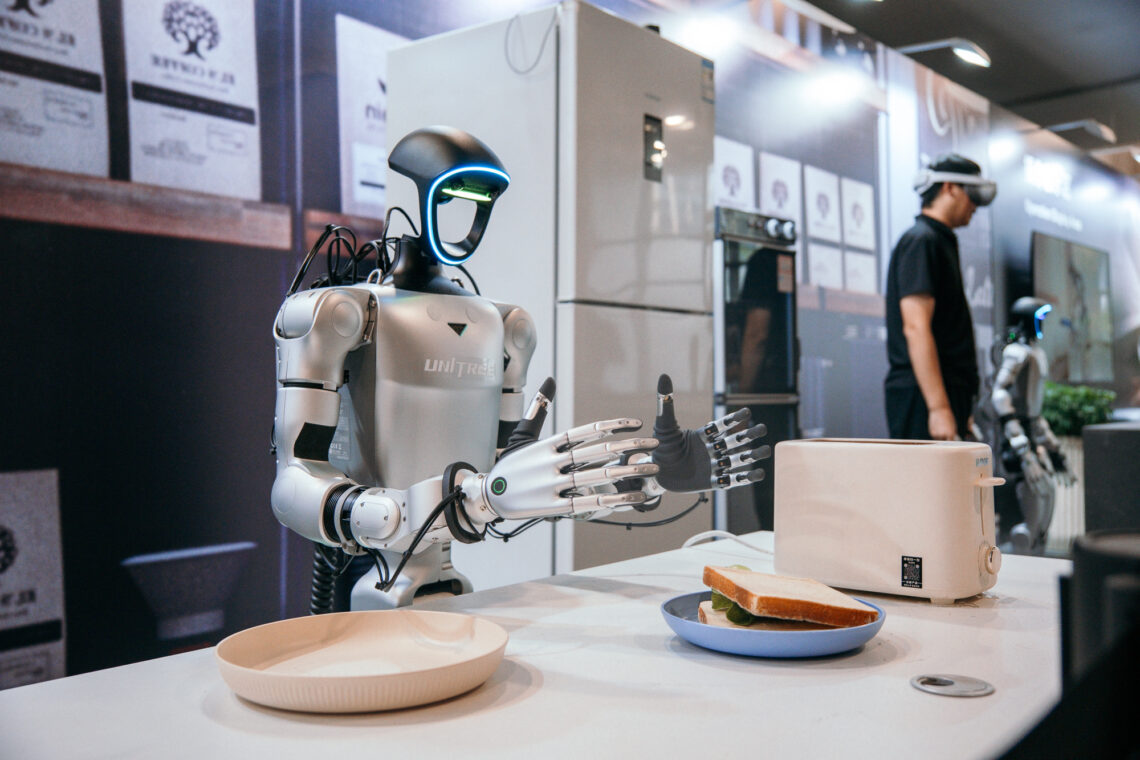
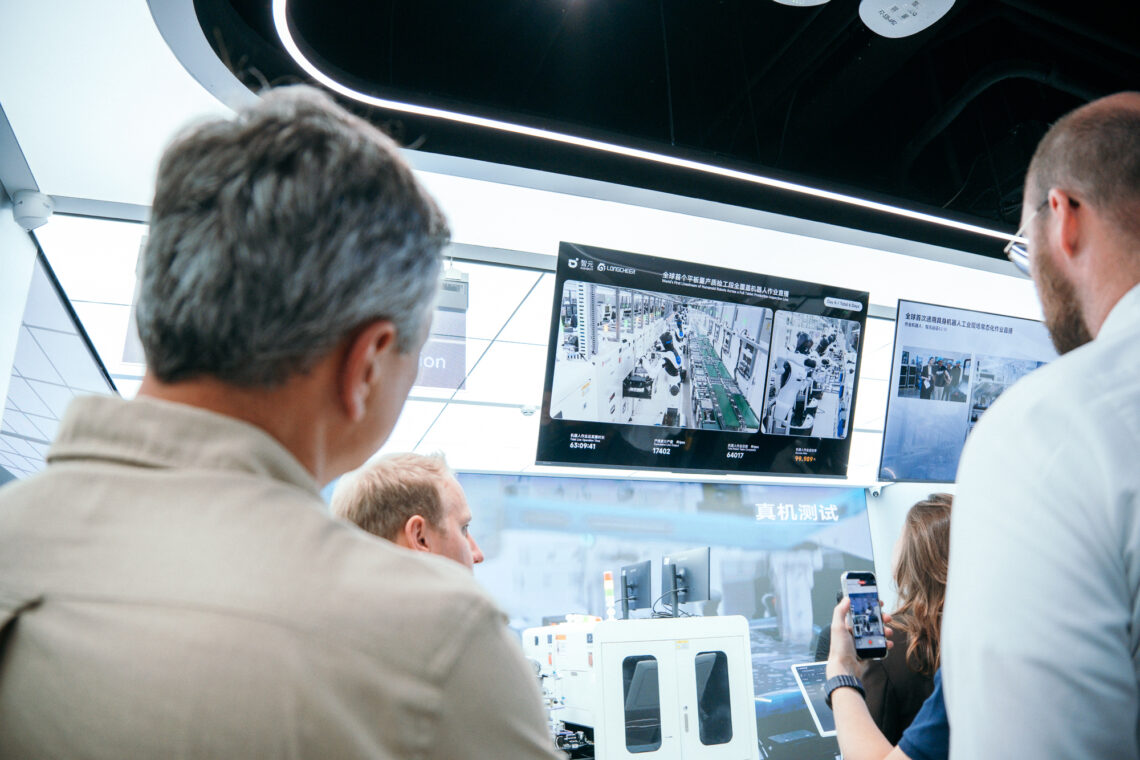
At the entrance, a robot operates a kiosk. In the lobby, other machines greet visitors. You can even ride a four-legged robot. One floor up, a humanoid robot navigates an obstacle course, another paints pictures, and a third serves coffee. A screen shows a production line with numerous robots.
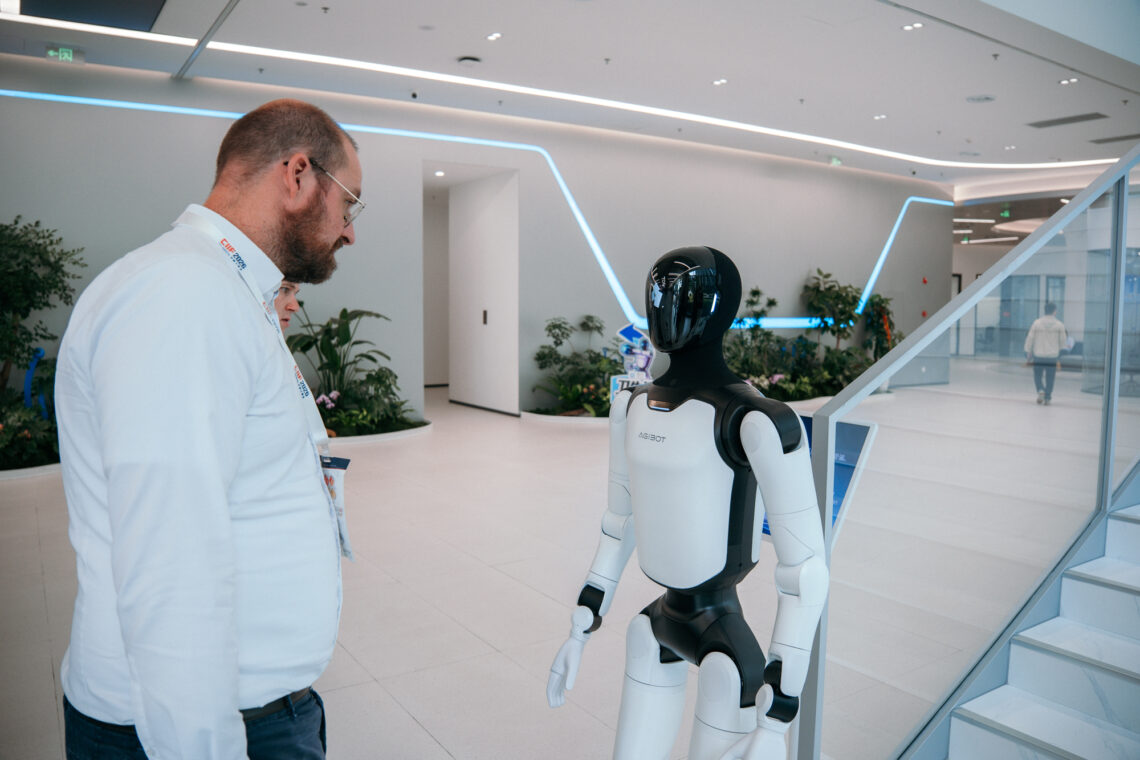
A visit to Agibot’s showroom in Shanghai makes it clear just how broadly the Chinese manufacturer has diversified its product line. The machines move, grasp objects, balance, and interact with people. The company develops various robot platforms for different tasks. The demonstrations give a sense of just how rapidly the technology is evolving.
What’s easy to overlook is that Agibot is still a very young company. Founded just in February 2023, the manufacturer has achieved a remarkable production scale in just over three and a half years. According to the company, the 20,000th robot rolled off the production line in September 2026. At the end of June, the count had been 15,000.
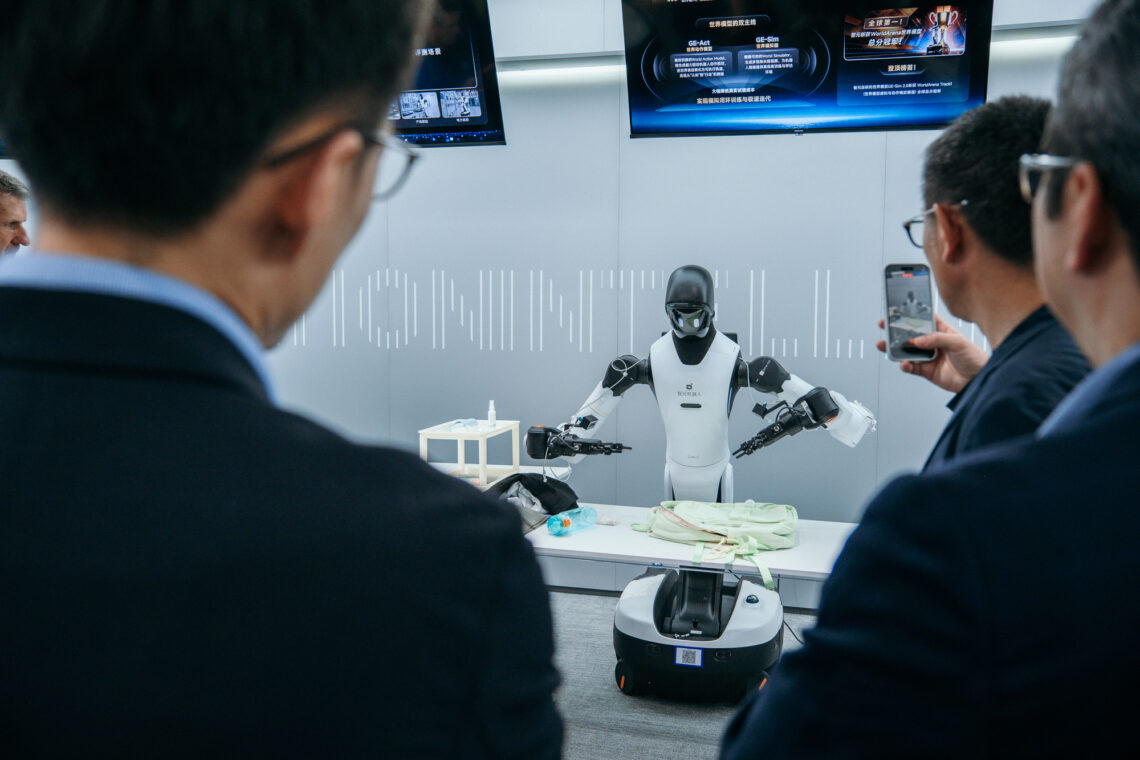
Agibot is now also one of the world’s largest suppliers in terms of shipments. According to the market research firm IDC, the company shipped more than 8,600 humanoid robots in the first half of 2026. This represents about 35 percent of the global market. Market researchers estimated that a total of just under 25,000 systems were shipped during this period.
The figures show how quickly Agibot has expanded its production and business. However, they say little about how many of the machines are actually performing productive tasks.
The market is growing faster than industrial use
The international robotics industry is currently experiencing a surge in growth. According to IDC, global shipments of humanoid robots rose by more than 400 percent in the first half of 2026 compared with the same period a year earlier.
However, to date, the majority of customers have not come from the traditional industrial manufacturing sector. About 69 percent of the systems shipped worldwide went to the fields of research and education, demonstrations and events, and government agencies involved in collecting robotics data. In 2025, this share had been just under 84 percent.
The market is thus increasingly shifting toward commercial and industrial applications. However, many machines are still used to test technologies, collect data, or demonstrate their capabilities.
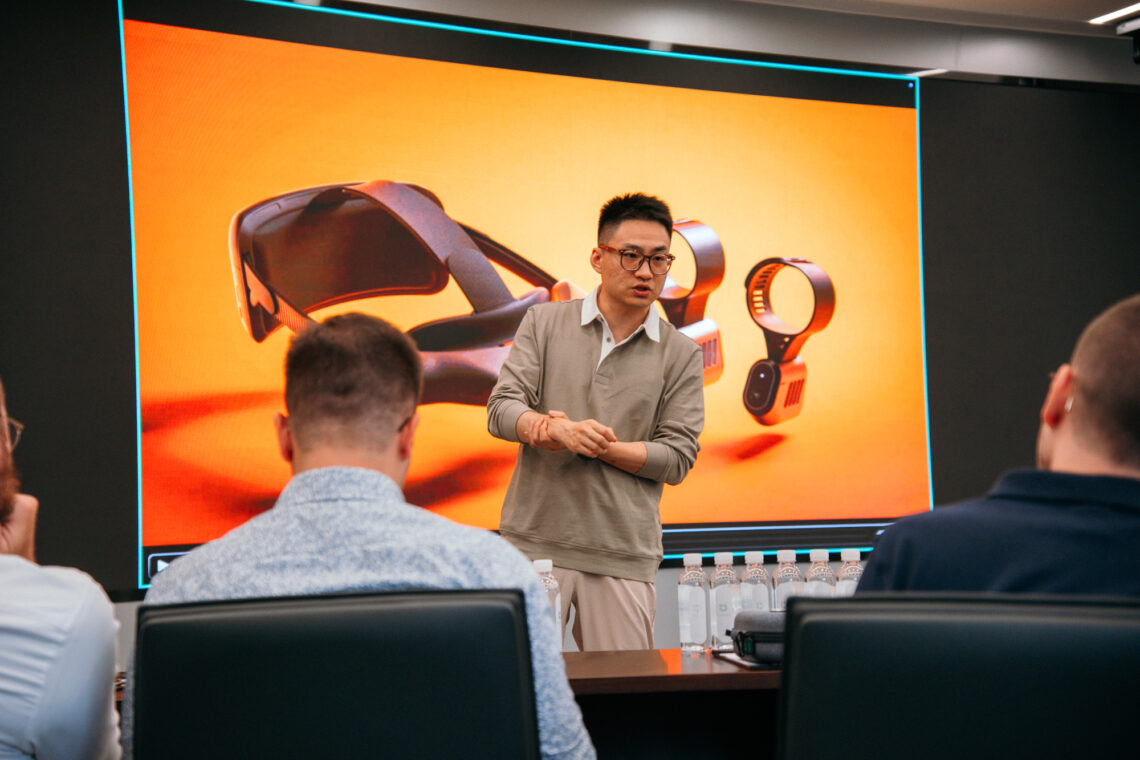
Agibot also serves a wide variety of markets. In September, the company announced that it would deploy more than 300 robots at a Chinese amusement park. Among other things, they will handle tasks related to entertainment, visitor assistance, and customer service.
Applications like these show that robots are also used outside of research laboratories. However, their requirements differ significantly from those of industrial manufacturing. A robot that greets visitors must perform different tasks than one that handles components at the specified cycle time on a production line.
This is precisely where one of the key questions for the industry’s next phase of development lies: How quickly can we make the transition from versatile demonstrations to reliably operating machines whose use is economically viable?
Eight robots on a running production line
A partnership with the Chinese electronics manufacturer Longcheer Technology demonstrates that Agibot now also has a track record in industrial applications.
At its facility in Nanchang, eight Agibot G2 robots were integrated into a tablet production line. There, they perform repetitive tasks such as picking up, moving, and sorting devices as part of the quality inspection process.
Unlike the bipedal models in the showroom, these robots have a human-like torso with two arms but move on a mobile platform. In a barrier-free factory, this can be more practical than walking on two legs.
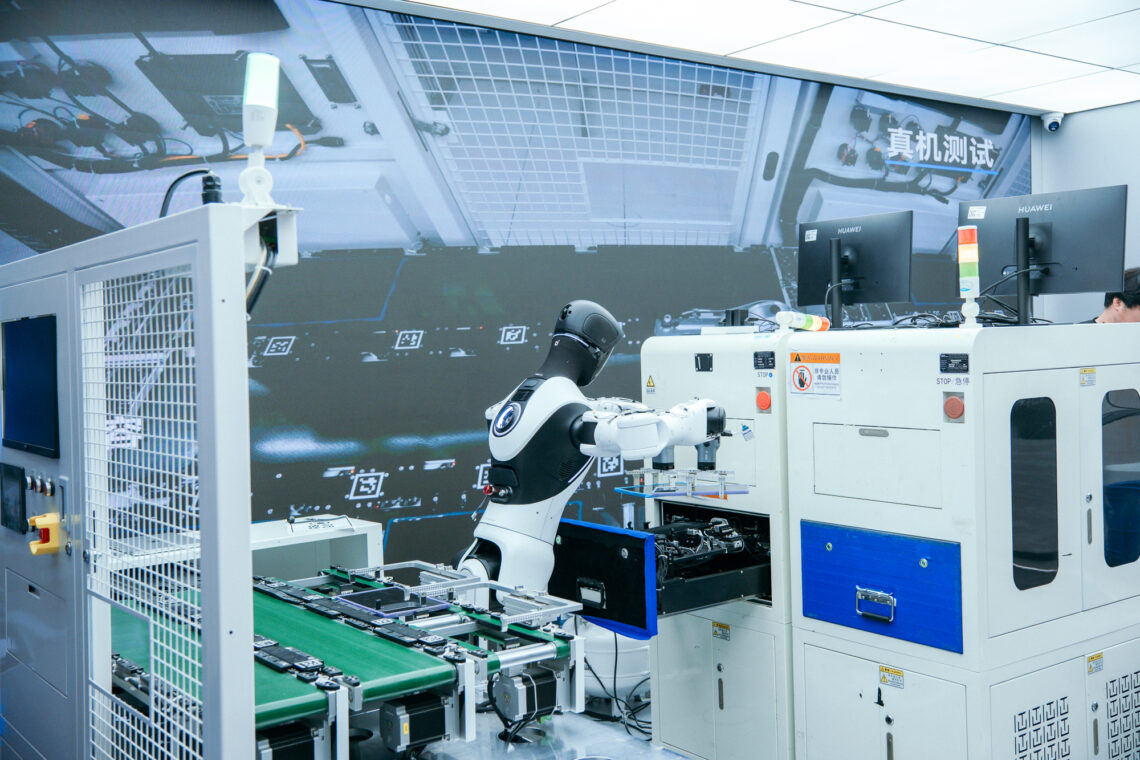
In June 2026, Longcheer livestreamed the eight robots at work over a period of six days. According to the company, they collectively logged more than 64 operating hours and performed approximately 64,800 work operations. The reported success rate was 99.99 percent.
This is an important difference from a standalone demonstration. The robots were integrated into existing production processes and had to work together with the existing technology.
However, questions remain here as well. The published operational data comes from the user company. It does not yet allow for an independent assessment of cost-effectiveness. It is not possible to reliably determine from this data how high the maintenance costs are, how often human intervention is required, or what the costs are compared to conventional automation solutions.
What Lies Between the Demonstration and Everyday Life at the Factory
The extent of the progress made in robotics is particularly evident in motion control. Machines are becoming increasingly better at stabilizing their posture and compensating for external influences. Agibot’s obstacle course gives a sense of what movements are possible today. However, in industrial applications, these capabilities are measured by different standards.
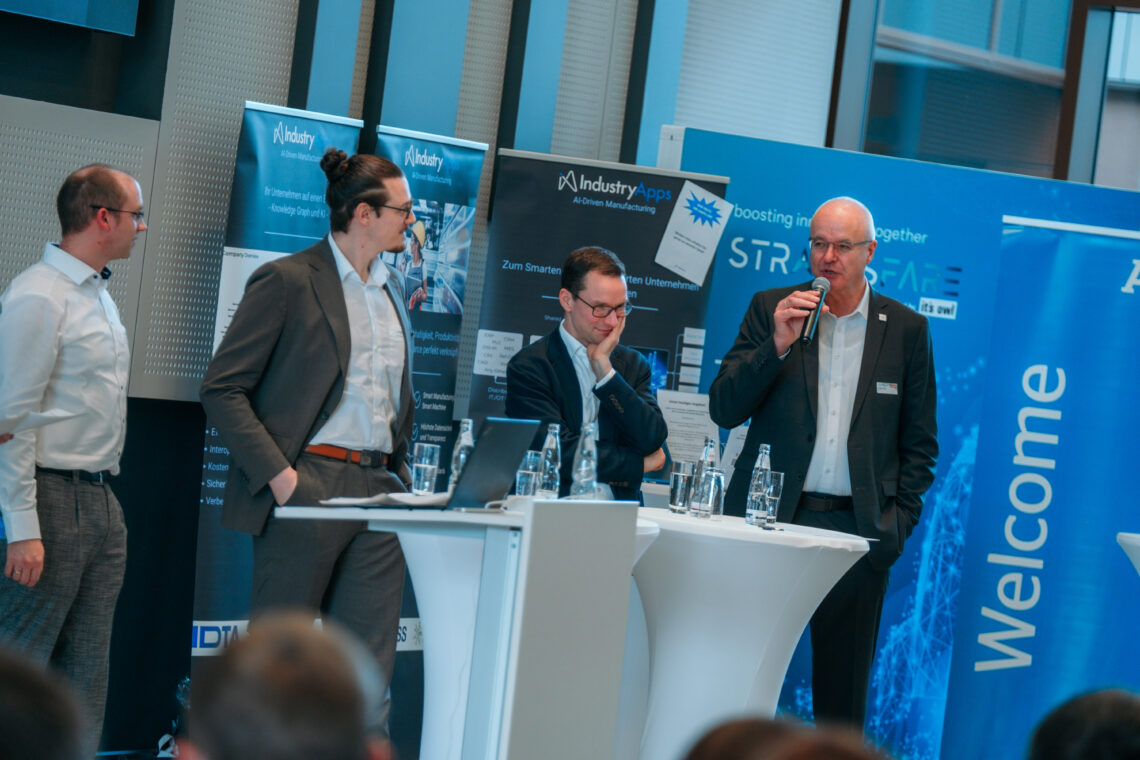
“The progress made with Agibot is clearly evident, especially in terms of movement and stability. For an industrial company, however, what ultimately matters is whether a robot performs its task precisely and what it costs to deploy it,” says Rouven Engbert, Customer Success & Project Manager at Stratosfare.
Additional requirements may arise, particularly when handling components. Different workpieces may require different grippers or tools. These so-called end-effectors are mounted at the end of a robot arm and play a key role in determining which objects a robot can handle.
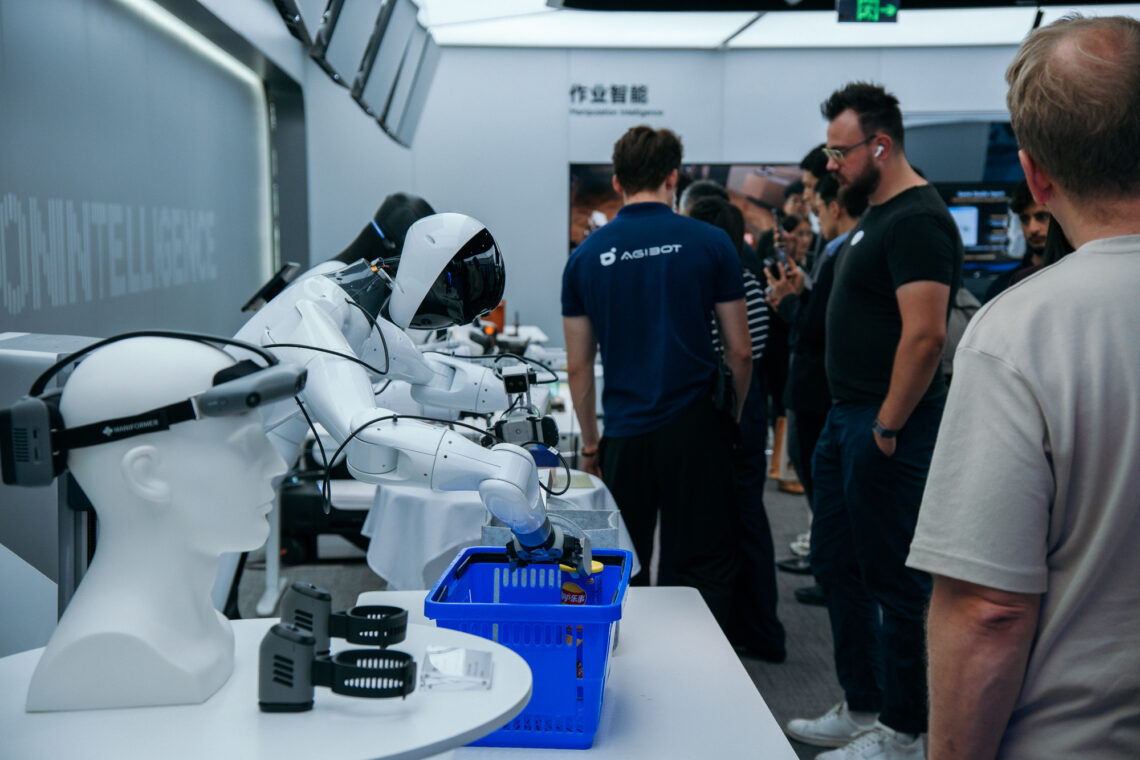
Agibot also develops various gripping and hand systems for this purpose. While a simple gripper may be sufficient for standardized transport tasks, delicate tasks may require more complex mechanics and additional sensors—for example, to measure the pressure applied during gripping.
This raises an economic question: How flexible is a humanoid robot, really, if specific tools are required for different tasks? Developing and procuring these tools incurs costs. Added to this are potential wear and tear, replacement parts, and the effort required to adapt the robot to new applications.
The versatility of humanoid robots is considered one of their greatest advantages. However, the more technical adjustments a specific task requires, the more carefully companies must consider whether a specialized automation solution might not be more cost-effective.
Therefore, the purchase price alone is not the decisive factor. Companies must consider the total cost, from integration and operation to maintenance and potential retrofitting.
The next challenge lies in the intelligence of machines
While hardware continues to evolve visibly, manufacturers are increasingly focusing on software. This is because powerful motors, joints, and sensors alone are not enough to enable a robot to perform meaningful actions even in unfamiliar situations.
To this end, Agibot is developing its own AI models designed to combine various capabilities. These include environmental perception, the processing of verbal instructions, and motion control. So-called vision-language-action models play a key role. They process visual information and language to derive actions for robots.
The idea behind this is that machines do not need to be completely reprogrammed for every task. Instead, generally trained AI models are intended to provide capabilities that can be used for a variety of applications.
This requires large amounts of suitable training data. Agibot has set ambitious goals for its training data as well. According to the company, it aims to have collected a total of ten million hours of usable data for the development of physical AI by the end of 2026. This will include both data from real robots and data collected without a complete robot system. This figure represents a planned scale, not a confirmed data set.
These investments make it clear that competition is no longer just about the most powerful machine. Manufacturers are increasingly developing their own AI models, software platforms, and data infrastructures to further expand the capabilities of their robots.
However, it remains to be seen how quickly this will lead to the development of systems capable of handling various industrial tasks without requiring extensive modifications.
For companies, what matters is how well the robot performs on the job
Agibot’s development demonstrates how quickly Chinese manufacturers can scale up humanoid robotics to larger production volumes. In a short period of time, the company has built various robot platforms, developed its own AI technologies, and implemented its first applications outside of controlled demonstrations.
For German industrial companies, this is a development they should follow closely. However, it would be premature to conclude from the production figures alone that humanoid robotics has achieved a broad economic breakthrough.
In many industrial facilities, traditional automation solutions operate reliably and cost-effectively. Humanoid robots are particularly useful in situations where tasks have been difficult to automate until now—for example, because workflows are changing or existing environments are designed with humans in mind.
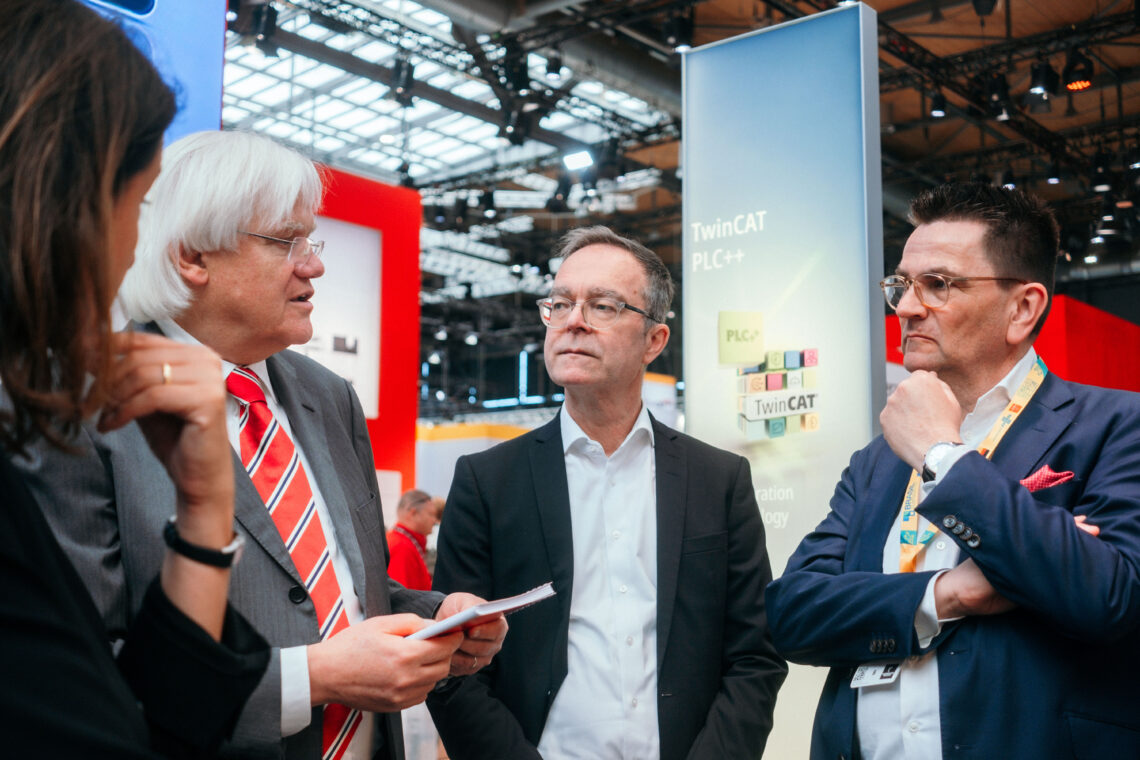
The technology network it’s OWL is also investigating which applications are suitable for this purpose. In collaboration with Fraunhofer IEM, the Stratosfare initiative enables companies to familiarize themselves with various humanoid robot systems and evaluate their potential use in production and logistics. In doing so, companies can pool their experiences, learn about technical limitations, and better assess the effort required for specific applications.
Through its flagship project ENGAGE-KI, it’s OWL is addressing the development of physical AI and exploring how new AI technologies can be applied to industrial applications and engineering processes.
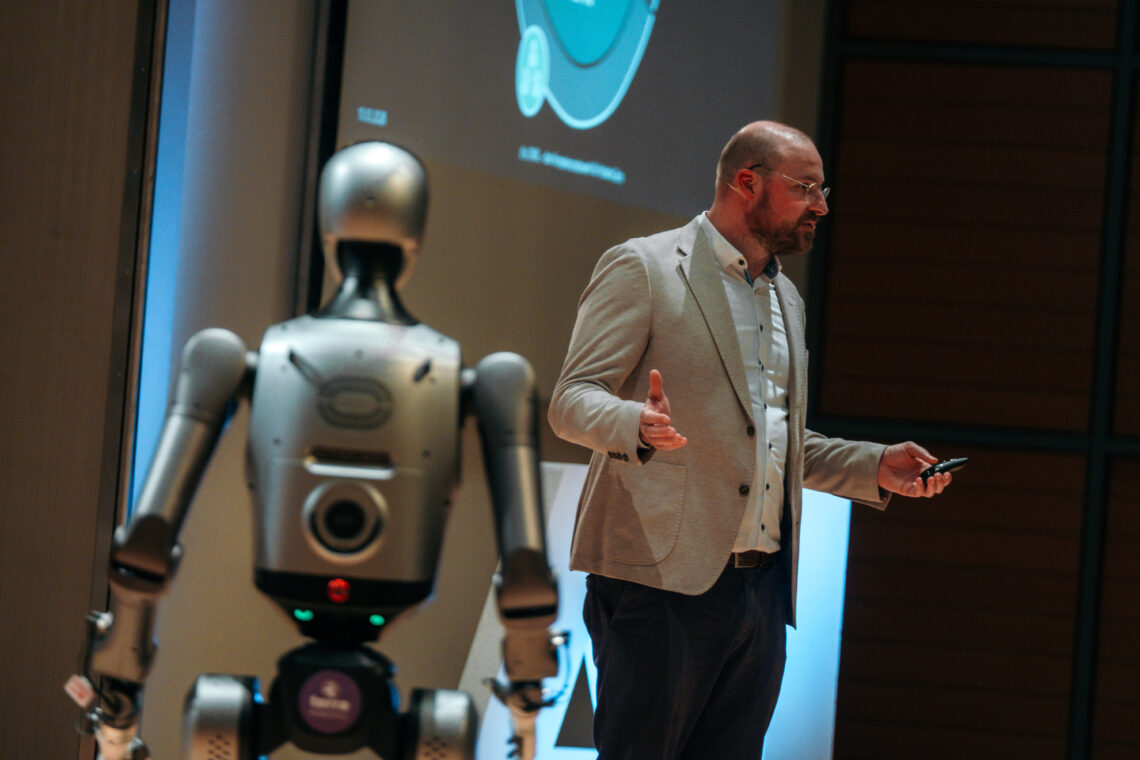
The developments at Agibot illustrate just how quickly technological capabilities are changing. The showroom in Shanghai offers plenty of examples of this. For industrial companies, however, it will be less important whether a robot can serve coffee, paint pictures, or navigate an obstacle course.
The more important question is which tasks it can reliably perform in a real-world setting at a reasonable cost. Further progress in humanoid robotics must be measured against this criterion.